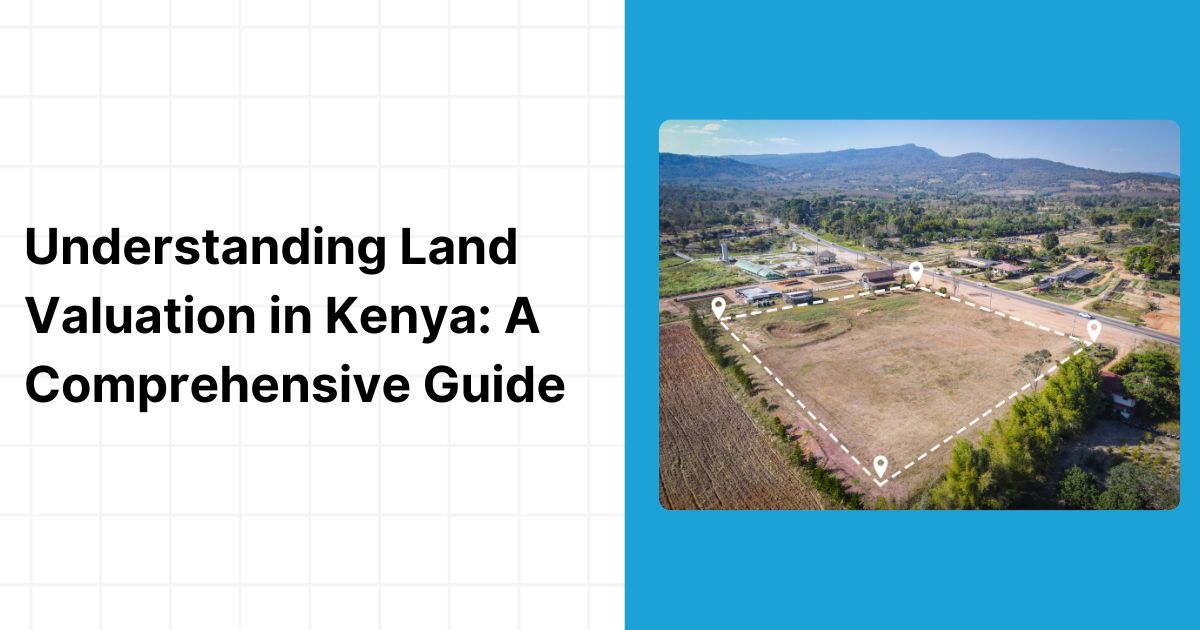
Land valuation is a critical aspect of the real estate market in Kenya. Whether you are a buyer, seller, or investor, understanding how land valuation works can help you make informed decisions. This guide will delve into the intricacies of land valuation in Kenya, covering the valuation process, factors influencing land prices, and the importance of accurate valuation. By the end of this article, you will have a solid grasp of land valuation and how it can impact your real estate endeavors.
What is Land Valuation?
Land valuation is the process of determining the monetary value of a piece of land. This process is essential for various reasons, including buying, selling, leasing, or developing property. In Kenya, land valuation is influenced by multiple factors, including location, market demand, and legal considerations.
The Land Valuation Process in Kenya
Step 1: Initial Assessment
The first step in the land valuation process involves an initial assessment of the property. This includes gathering information about the land’s location, size, and current use. Valuers often visit the site to evaluate its condition and any improvements made.
Step 2: Research and Analysis
Once the initial assessment is complete, the valuer conducts thorough research. This includes analyzing recent sales data of comparable properties in the area, understanding zoning regulations, and reviewing any legal encumbrances that may affect the land’s value.
Step 3: Valuation Methods
There are several methods used to value land in Kenya, including:
- Sales Comparison Approach: This method compares the land in question with similar properties that have recently sold.
- Cost Approach: This approach estimates the value based on the cost of developing the land, including construction and improvements.
- Income Approach: This method is commonly used for investment properties and values land based on its potential income-generating capabilities.
Step 4: Final Valuation Report
After completing the analysis and calculations, the valuer prepares a detailed valuation report. This document outlines the findings, methodologies used, and the final value of the land. It serves as a crucial document for transactions, legal disputes, or financial assessments.
Factors Influencing Land Value in Kenya
Understanding the factors that influence land value is essential for anyone involved in real estate in Kenya. Here are some key considerations:
Location
Location is perhaps the most significant factor affecting land value. Properties situated in prime areas such as Nairobi’s Central Business District (CBD) or near major amenities like schools, hospitals, and shopping centers tend to have higher values. For example, land in areas like Westlands or Karen is typically more expensive due to their desirability. Explore our insights on prime locations for real estate investment.
Market Demand
The demand for land in a particular area can fluctuate based on various factors, including economic conditions and population growth. Regions experiencing rapid urbanization, such as areas around Nairobi, often see increased demand, driving up land prices.
Legal Considerations
Legal factors, such as land ownership rights and zoning regulations, can significantly impact land valuation. Properties with clear titles and compliant with local zoning laws are generally valued higher. Conversely, land with disputes or unclear ownership may have reduced value.
Infrastructure Development
Infrastructure plays a crucial role in land valuation. Areas with well-developed roads, public transport, and utilities tend to attract higher valuations. For instance, the ongoing development of the Nairobi Expressway has positively impacted land values in the surrounding areas. Learn more about infrastructure impacts on real estate.
Importance of Accurate Land Valuation
Accurate land valuation is vital for several reasons:
- Informed Decision-Making: Understanding the true value of land helps buyers and sellers make informed decisions during transactions.
- Financing: Lenders often require a valuation report to determine the loan amount they are willing to offer based on the property’s value.
- Investment Analysis: Investors use valuation to assess the potential return on investment and make strategic decisions.
Frequently Asked Questions (FAQs)
What is the average cost of land valuation in Kenya?
The cost of land valuation in Kenya can vary widely depending on the property’s location and size. On average, you can expect to pay between Ksh 10,000 to Ksh 30,000 for a standard valuation report. However, complex properties may incur higher fees.
How long does the land valuation process take?
The duration of the land valuation process can vary. Typically, it takes between one to three weeks, depending on the complexity of the property and the availability of necessary data.
Do I need a professional valuer for land valuation?
While it is possible to conduct a basic valuation yourself, hiring a professional valuer is highly recommended. They possess the expertise and experience needed to provide an accurate and reliable valuation report, which is essential for legal and financial purposes. For professional assistance, visit our contact page.
Conclusion: Taking the Next Steps in Land Valuation
Understanding land valuation in Kenya is crucial for anyone involved in the real estate market. Whether you are looking to buy, sell, or invest in property, having a clear understanding of the valuation process and the factors influencing land prices will empower you to make informed decisions.
If you are considering a land transaction or require professional real estate services, Ladva Realtors is here to assist you. Our team of experienced valuers and real estate professionals can provide you with accurate valuations and expert guidance tailored to your needs. Contact us today to learn more about our services and how we can help you navigate the Kenyan real estate market.